Posts

Showing posts from February, 2025

E-commerce Testing: Ensuring a Seamless Shopping Experience

  Introduction E-commerce has revolutionized the way people shop, providing convenience and accessibility like never before. However, ensuring a seamless and secure online shopping experience requires rigorous e-commerce testing . It involves verifying an online store’s functionality, performance, security, and user experience to ensure smooth transactions and customer satisfaction. Importance of E-commerce Testing E-commerce websites and applications handle sensitive customer information, including payment details and personal data. Any flaw in the system can lead to security breaches, loss of revenue, and customer dissatisfaction. Comprehensive testing helps: Prevent financial losses due to technical glitches. Enhance website performance and usability. Improve customer trust and brand reputation. Ensure compliance with security standards and regulations. Types of E-commerce Testing 1. Functional Testing Functional testing ensures that all features and functionalities of an e-com...
The Ultimate Guide to Desktop Application Testing

  Introduction Desktop applications remain a crucial part of business operations, providing powerful offline capabilities and enhanced user control. However, ensuring a flawless user experience requires rigorous testing to eliminate bugs, performance issues, and compatibility errors. In this guide, we’ll explore the key aspects of desktop application testing, its challenges, and best practices for achieving optimal software quality. What is Desktop Application Testing? Desktop application testing is the process of evaluating the functionality, performance, security, and usability of software designed to run on desktops or laptops. Unlike web applications, desktop apps operate within a controlled environment, requiring thorough testing across different operating systems, hardware configurations, and user settings. Key Types of Desktop Application Testing 1. Functional Testing Ensures that the application’s features work as expected according to the requirements. This includes: Valid...

The Role of AI and ML in Software Testing

Image
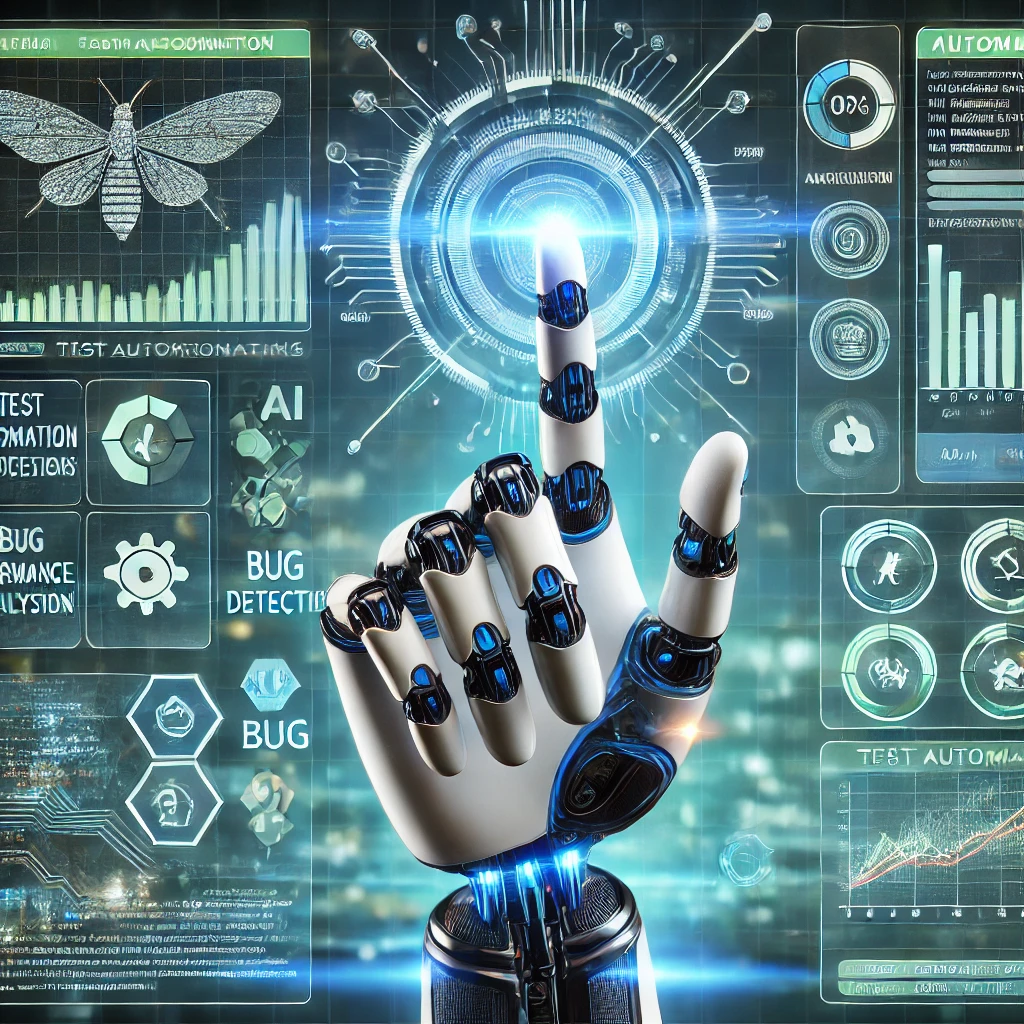
  Artificial Intelligence (AI) and Machine Learning (ML) are transforming software testing by enhancing efficiency, accuracy, and scalability. Traditional testing methods often struggle to keep up with rapid software development cycles, making AI and ML indispensable in modern testing processes. Understanding AI and ML in Software Testing Artificial Intelligence (AI) refers to the ability of machines to perform tasks that typically require human intelligence, such as pattern recognition, problem-solving, and decision-making. Machine Learning (ML) is a subset of AI that enables computers to learn from data and improve performance without explicit programming. In software testing, ML helps identify patterns, predict defects, and optimize test execution. Key Applications of AI and ML in Software Testing Test Automation AI-driven test automation tools reduce manual effort by autonomously generating and executing test cases, identifying anomalies, and adapting to changes in the applic...

AI Testing: Revolutionizing Software Quality Assurance

  Introduction The rapid advancement of Artificial Intelligence (AI) is transforming various industries, and software testing is no exception. AI-driven testing is revolutionizing quality assurance by automating processes, improving accuracy, and significantly reducing testing time. In this blog, we explore the impact of AI on software testing, its benefits, challenges, and future prospects. What is AI Testing? AI testing refers to the use of artificial intelligence, machine learning (ML), and automation tools to improve software testing processes. It enhances traditional testing methodologies by leveraging predictive analytics, self-learning algorithms, and intelligent automation to detect bugs, optimize test cases, and ensure software reliability. Benefits of AI Testing 1. Enhanced Test Automation AI-driven tools automate repetitive tasks, reducing human effort and accelerating the testing cycle. 2. Improved Accuracy AI eliminates human errors by intelligently identifying pattern...